FAQs
Common questions in Washington Township (Lehigh County)
How much does a free quote cost, and how long is it good for?
Free quotes from Keystone State Gutters are completely no-obligation and good for a full year. We assess your home, explain what you need, and provide honest pricing with no pressure to decide immediately.
What does gutter installation involve?
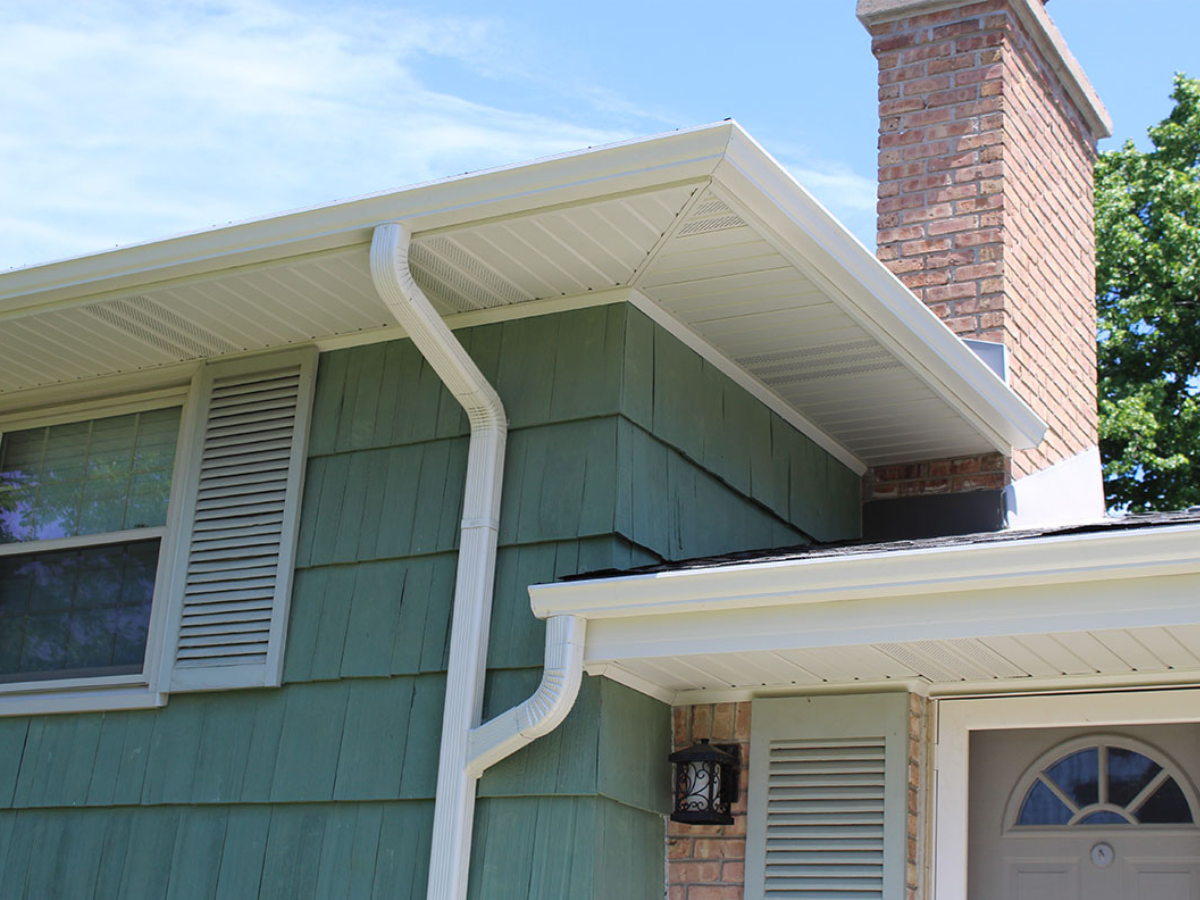
Installation starts with a thorough assessment of your home's size, roof pitch, and drainage needs. Our local crews then measure, install gutters at the correct slope, seal all joints, test the drainage, and connect downspouts. The entire process ensures water flows away from your foundation properly.
Why should I replace aging gutters instead of just cleaning them?
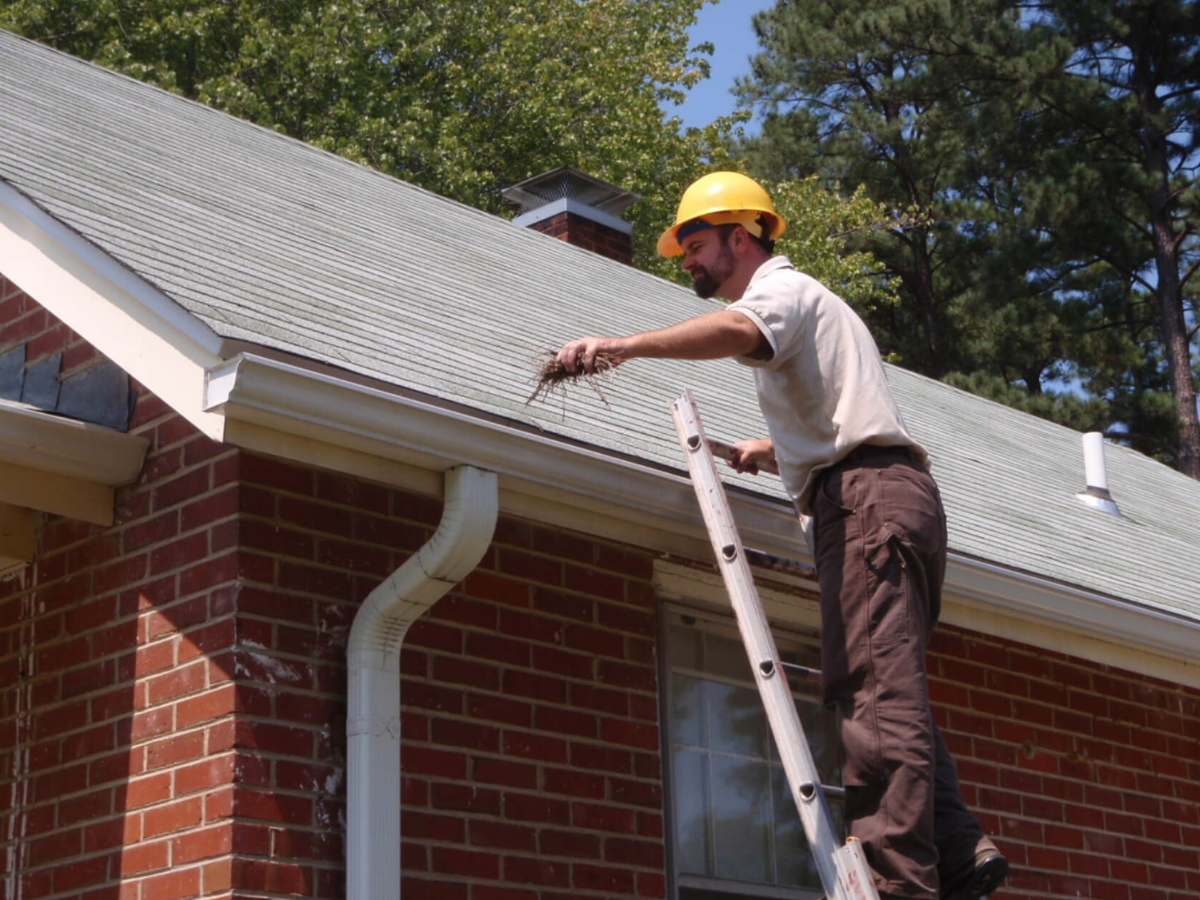
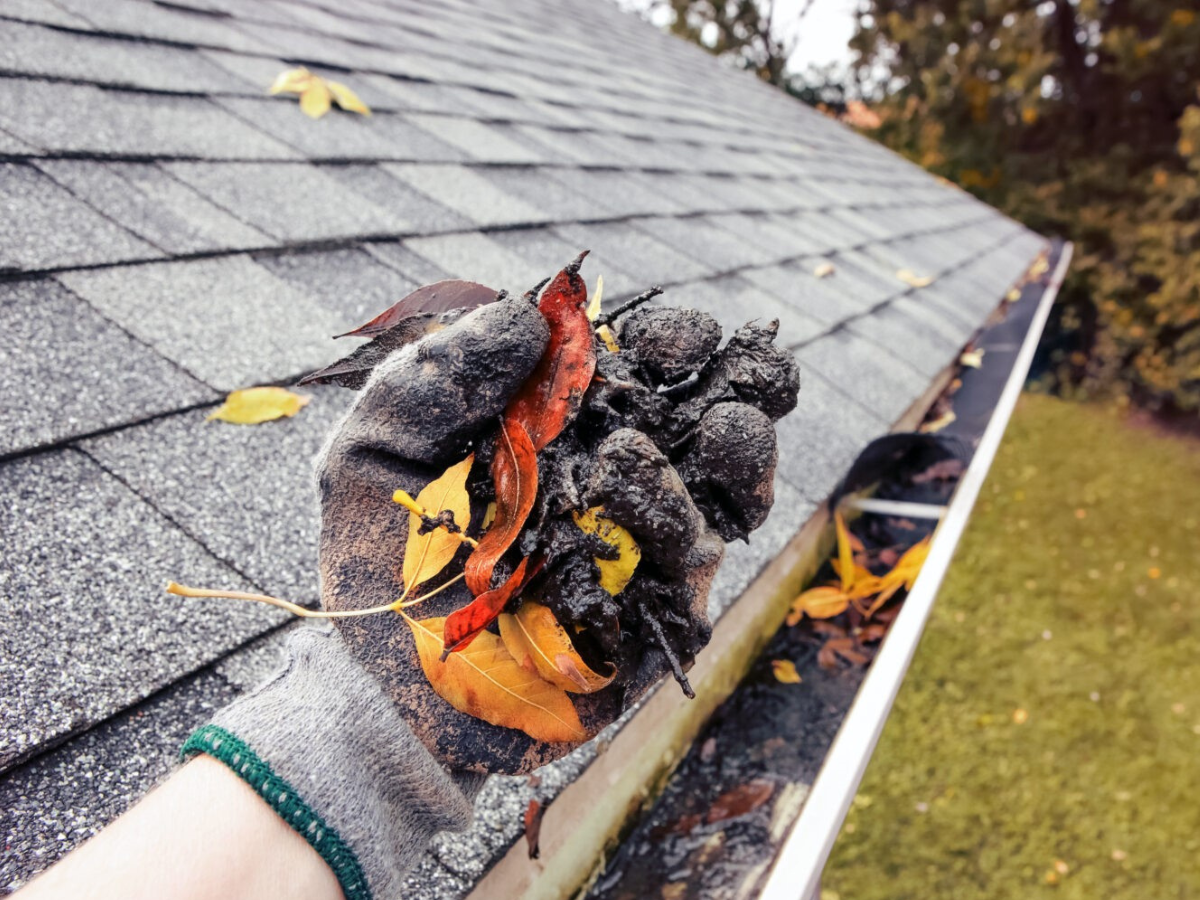
Cleaning helps, but gutters that are aged, sagging, or installed incorrectly will fail during heavy rain no matter how often you clean them. Washington Township receives 47 inches of rain annually, and your gutters need to handle spring peaks of 4 to 5 inches per month. Proper installation prevents foundation damage and water intrusion.
How do gutter guards work, and do I really need them?
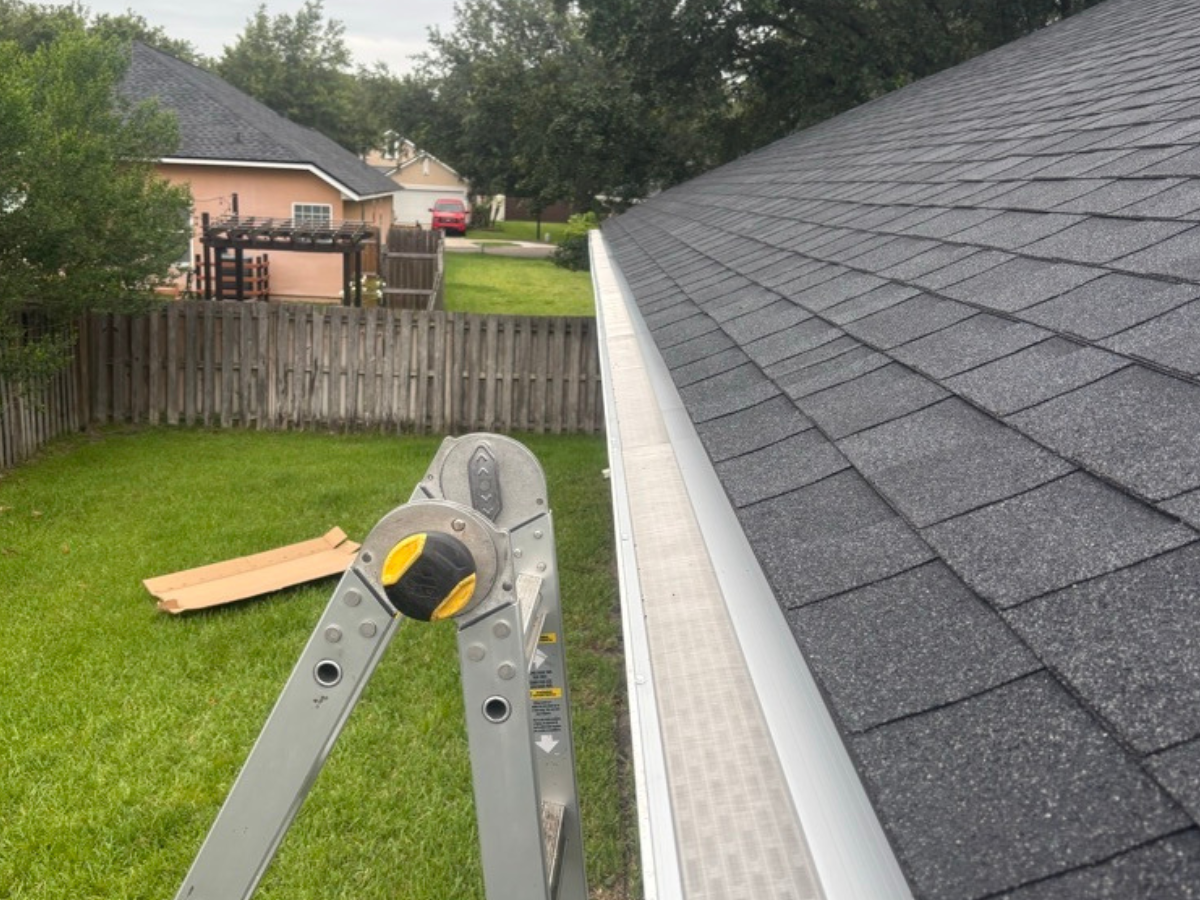
Guards block debris while letting water flow freely, preventing the clogs that cause overflow. In Washington Township, where spring storms bring heavy rain and winter leaves plenty of debris, guards cut cleaning costs and help your gutters drain properly during peak rainfall months.
How long do new gutters last?
Quality gutters installed correctly typically last 20 to 30 years, though freeze-thaw cycles and heavy rainfall in Washington Township can reduce lifespan. Proper installation, guards, and regular inspection help maximize the life of your system.
Can you serve my address in Washington Township?
Yes. Keystone State Gutters connects homeowners across Pennsylvania with local installation crews, and we serve all of Washington Township's villages, including Best Station, Emerald, Friedens, Lehigh Furnace, Slatedale, and Neffs.
What's the best time to install new gutters?
Spring and early summer are ideal because you can test the system during the region's heaviest rainfall period. However, fall is also a good time before winter freeze-thaw cycles begin. Avoid waiting until a storm has already caused water damage to your home.