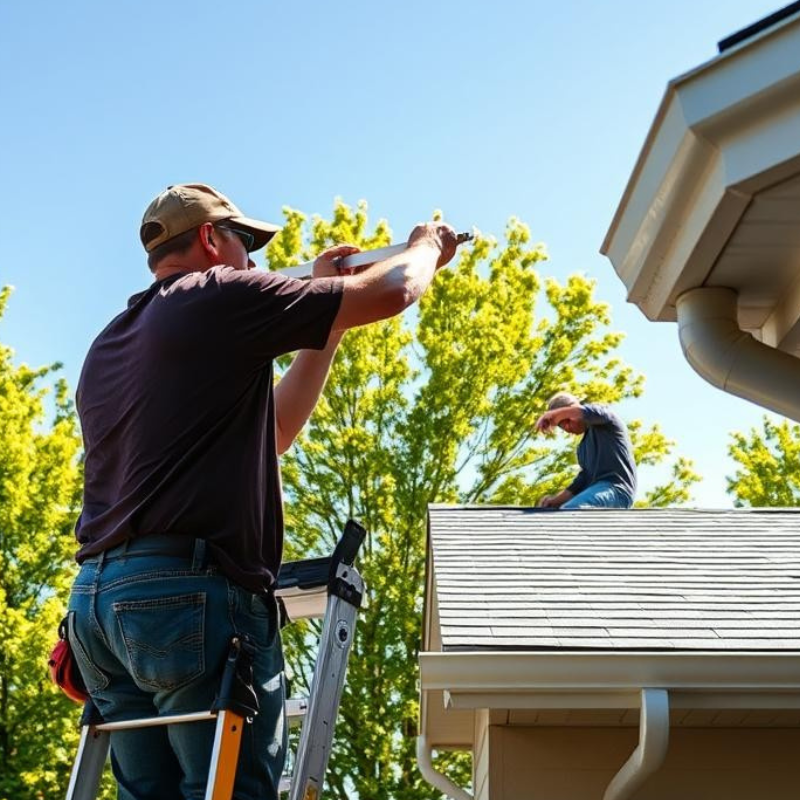
Weather & your gutters
What Jefferson Hills weather means for your home
Jefferson Hills winters are cold, snowy, and designed to create ice dams. Temperatures hover around freezing—days in the 30s, nights in the teens—which means snow on your roof melts in the sun, then refreezes at the eaves where gutters slow drainage. This freeze-thaw cycle repeats constantly from December through February, and every cycle puts pressure on gutters and downspouts. Even gutters that worked fine last year can fail under these conditions, especially if debris clogs the channels or underlying insulation gaps let warm air escape. By spring, a gutter that couldn't handle the melt means water backing up into your soffit, fascia, and interior walls—damage that spreads fast and costs far more to fix than a new gutter system.
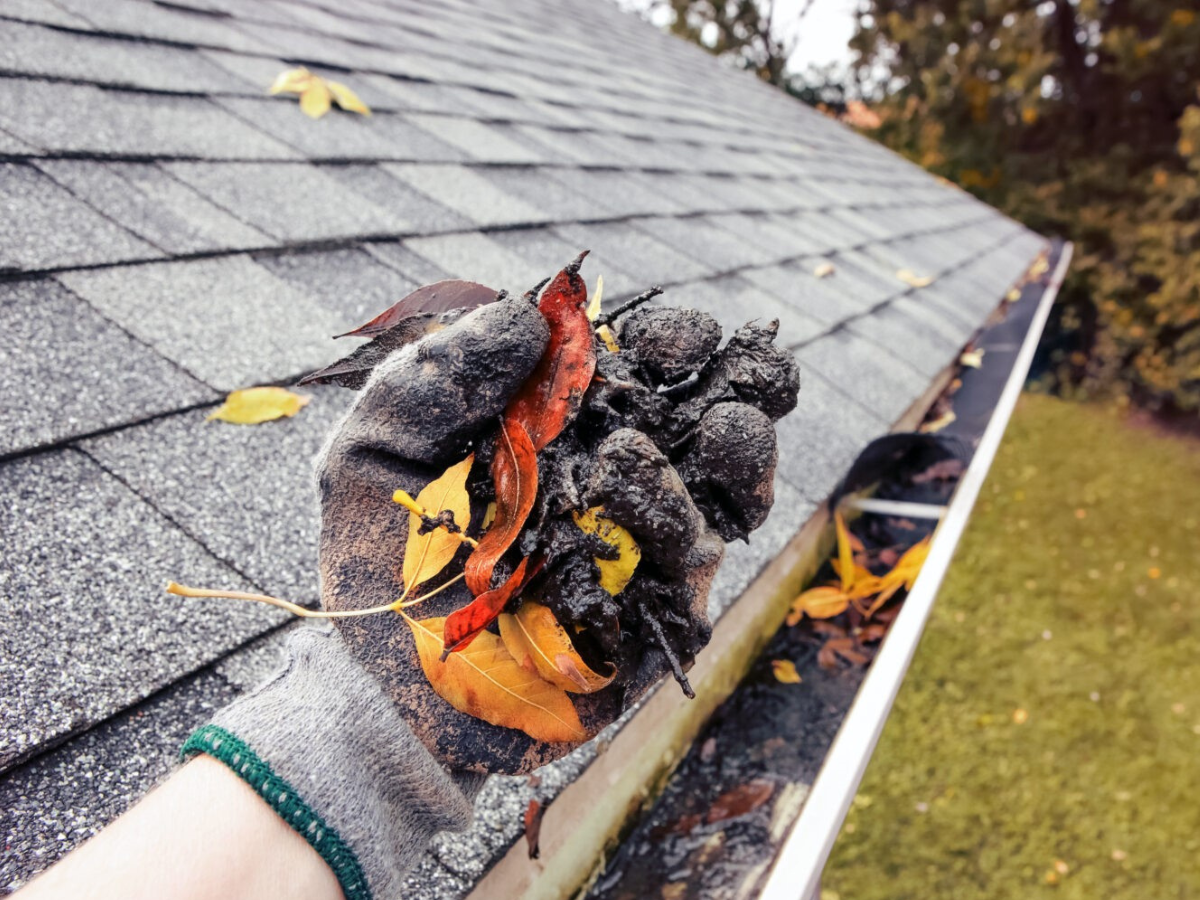
Pennsylvania gets between 40 and 50 inches of precipitation annually, and Jefferson Hills sees frequent spring rainfall, summer thunderstorms, and heavy meltwater runoff. Your gutters have to move all that water away from your foundation, fast. If they're clogged, undersized, or installed without proper slope, water pools against your basement walls or basement seeps develop. When fall leaves clog gutters and ice dams block drainage in winter, the damage compounds. A veteran-owned, locally-focused company like Keystone State Gutters knows these patterns because we work with Jefferson Hills homeowners year-round—we see where gutters fail and why, and we install systems that actually hold up to this region's demands.